Hillsborough law clears Lords committee stage amid concerns over paramedics
The Hillsborough law has passed its Lords committee stage, with peers debating whether new misconduct offences should cover paramedics.
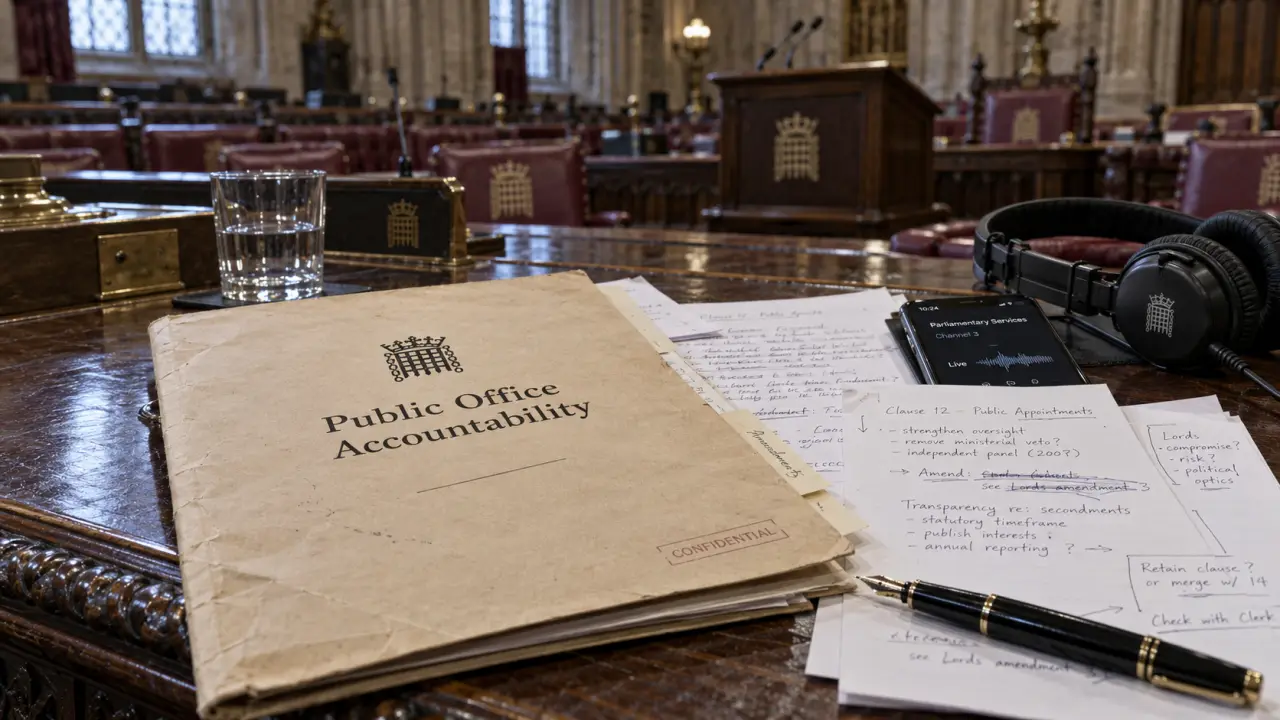
The proposed law named after the Hillsborough disaster in Sheffield has passed its committee stage in the House of Lords, Sheffield Star reports.
The Public Office (Accountability) Bill would create a legally enforceable duty of candour, requiring public officials and authorities to act transparently during investigations and inquiries. It will now move to report stage in the Lords, where amendments will be voted on.
The Bill takes its name from the 1989 disaster at Hillsborough Stadium, when 97 Liverpool fans were killed in a crush during an FA Cup semi-final.
Concerns over emergency workers
During scrutiny, Baroness Levitt, a Labour peer and former justice minister, challenged the exclusion of paramedics from a proposed offence of seriously improper conduct.
The former circuit judge and barrister described a case in which she appeared for the prosecution involving a paramedic accused of serious sexual misconduct towards a vulnerable patient. She said the conviction could not be upheld because the court found that a paramedic was not a public officer under the common law offence of misconduct in public office.
Lady Levitt argued that, under the Bill, a prosecution for seriously improper conduct would still not be possible in such circumstances. She also questioned paramedics’ exclusion from a new offence concerning breaches of duty to prevent death or serious injury.
Minister explains exclusion
Justice minister Lord Lemos said a Law Commission review had concluded that frontline healthcare workers should remain outside the Bill’s scope unless providing services to people in state detention.
He said this reflected existing case law: paramedics’ responsibilities were primarily to the individual patient rather than the public generally.
Lord Lemos also argued that healthcare provision spans the public and private sectors. Including only public sector healthcare workers would, he said, create an arbitrary distinction between people doing the same job and make the new offences more complex.
Source: Sheffield Star