Sheffield United: Bramall Lane heritage and the changing picture on the pitch
Entre héritage à Bramall Lane et images qui changent sur le terrain, découvrez comment suivre Sheffield United : fixtures, résultats, actualités et lecture de la forme.
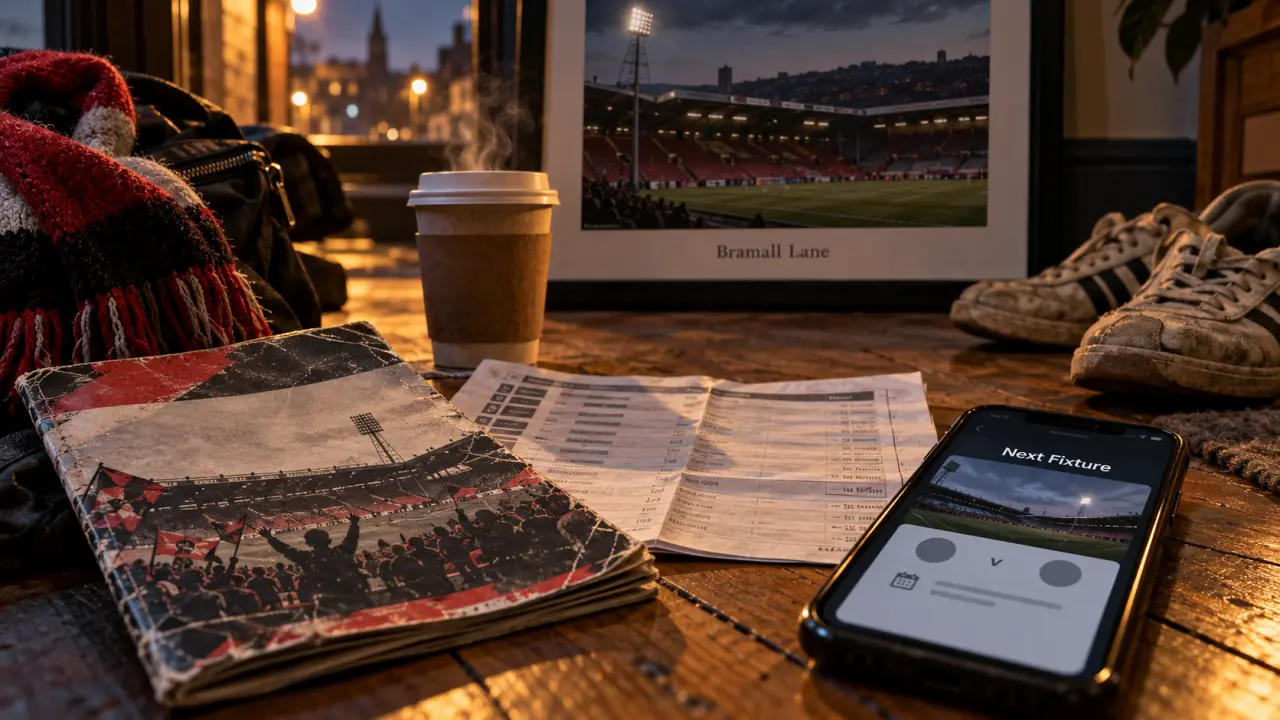
For Sheffield United fixtures, team announcements and club information, start with the official Sheffield United website. For results, standings and independent reporting, the BBC Sport and ESPN club pages offer a separate view. The distinction matters: the club’s history is settled, but its league position, squad and next fixture need checking against the latest updates.
Following Sheffield United: fixtures, results and league position
A search for United often starts with a simple question: who is next, and what does the last result mean? The ESPN Sheffield United page brings together schedules, scores, standings and team news. The BBC Sport club page combines football coverage with previews, reports and reaction.
Check the season and competition before relying on a table or fixture. A retained search result can describe an earlier campaign, while a cup match tells a different story from a league fixture. For the current division, points total and position, use the latest labelled standings rather than an undated club summary.
When checking an upcoming match, confirm the opponent, home or away status and kick-off details through the official club website. For recent results, read the match report alongside the score: dismissals, changes to the starting side and the balance of chances can make apparently similar results quite different.
Think of following a match as a relay: the fixture listing hands over to the team announcement, then to the result, then to the report. Keep those stages together when judging a performance. A preview describes expectations; a confirmed line-up establishes who actually played; the report explains what happened. Treating one stage as a substitute for another is an easy way to mistake a prediction for a fact.
Sheffield United in Sheffield: Bramall Lane and the Blades
Sheffield United are based in Sheffield, South Yorkshire, and play their home matches at Bramall Lane. The club’s historical reference profile lists the ground’s capacity as 32,050. That figure describes the stadium, not the number of tickets available for an individual fixture.
The same profile connects the nickname the Blades with Sheffield’s cutlery-making history. It is a local identity rather than simply a football label: the name ties the club to the city’s industrial heritage.
United’s rivalry with Sheffield Wednesday is known as the Steel City derby, as described in the historical club account. For visitors unfamiliar with Sheffield football, the distinction is important: United and Wednesday are separate clubs, and fixture searches, stadium information and ticket enquiries need the correct club name.
For a visit to Bramall Lane, use the official club website to check match-specific arrangements before travelling. A general stadium profile is useful background, but it should not replace current entry, ticket or access information.
Sheffield United history: honours and movement between divisions
According to the club’s historical record, Sheffield United were founded on 22 March 1889. They became English champions in 1897–98 and won the FA Cup four times: 1899, 1902, 1915 and 1925. Those honours establish a history that extends well beyond the modern Premier League era.
The same account records United’s participation in the Premier League’s founding season, 1992–93. Their later history includes extended spells outside the top flight, making promotion and rebuilding recurring parts of the club’s story.
A significant turning point came in 2016–17, when United won promotion from League One with 100 points, following six seasons in the third tier. Promotion to the Premier League followed in 2018–19, with a ninth-place finish in the first season back, according to the historical season summary.
That sequence helps explain why one league campaign cannot stand for the whole club. Assessments of progress need a clear starting point: recovering from relegation, building towards promotion and establishing a side at a higher level are different challenges.
Team news, transfers and a clearer view of form
For managerial appointments and completed transfers, distinguish an announcement from a report about possible developments. Use the official club website for the club’s statements, then consult independent reporting for context. A linked player is not a signed player, and an older squad profile does not establish current availability.
The BBC Sport Sheffield United page includes manager interviews, match coverage and supporter reaction. These serve different purposes: an interview explains a decision, a report assesses the match, and fan comments show responses rather than a verified consensus.
When judging form, look beyond the latest score. Compare home and away performances, the opponents faced and the competition involved. Separate league results from cup ties, and distinguish confirmed absences from speculation. That gives a firmer basis for discussing United’s prospects than a headline or a single league-table snapshot.